
XNAT 2: The future of open source imaging informatics

Zoom Details
Meeting ID: 922 7067 8528
Password: 845445
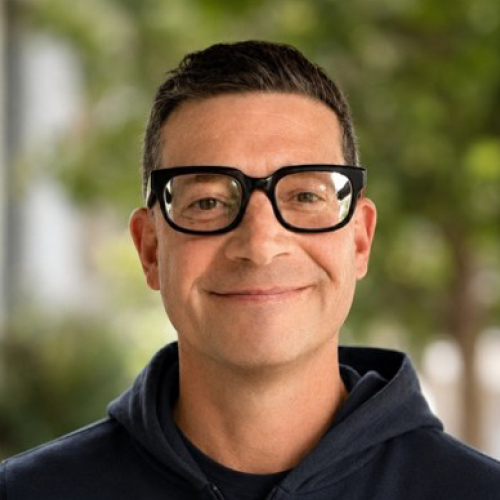
Daniel Marcus, PhD
Professor of Radiology and Director of the Translational AI Group (TAG), Washington University School of Medicine
Dr. Marcus is a professor of radiology at Washington University School of Medicine and director of the Translational AI Group (TAG), an interdisciplinary team of engineers, scientists, software developers, and informaticists all contributing towards the common goal of enabling imaging in biomedical research. TAG develops XNAT, a widely used open source imaging informatics platform, and contributes to the international biomedical informatics infrastructure through a portfolio of NIH-funded projects. Dr. Marcus has directed many informatics programs for large-scale imaging research, including the Human Connectome Project, the Connectome Coordination Facility, the Dominantly Inherited Alzheimer Network, and the Neuroimaging Informatics and Analysis Center. He is the founder of a number of informatics and computational imaging companies including Radiologics, Embark Labs, Beacon Neuro, and Sora Neuroscience.
XNAT has provided open source imaging informatics solutions to medical researchers for over 2 decades, evolving from a simple workflow manager for neuroimaging studies to a comprehensive platform supporting dozens of disease areas and research applications. As medicine enters its AI era, XNAT continues to evolve to meet the emergent needs of its users. To this end, we have begun engineering XNAT 2. XNAT 2 both enriches traditional research tasks with agentic AI and extends its reach to enable responsible translation of AI capabilities into the clinic. Today’s talk with provide an introduction to the XNAT 2 architecture, existing capabilities, and roadmap.